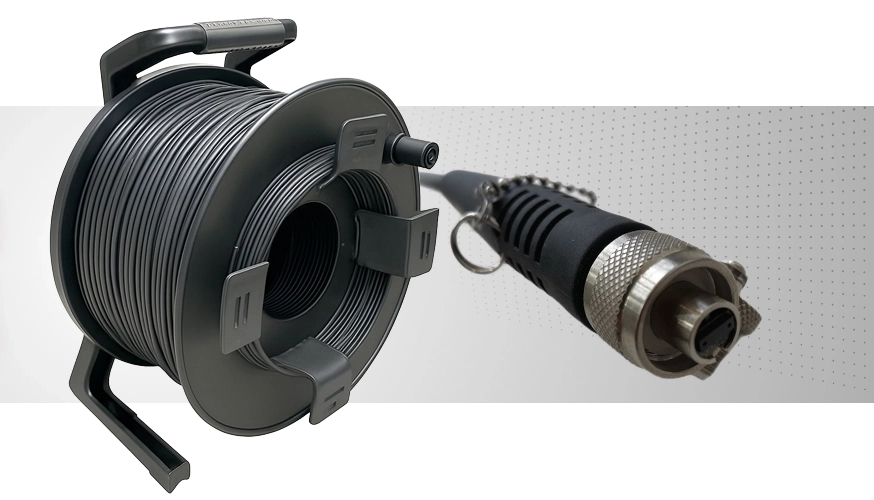
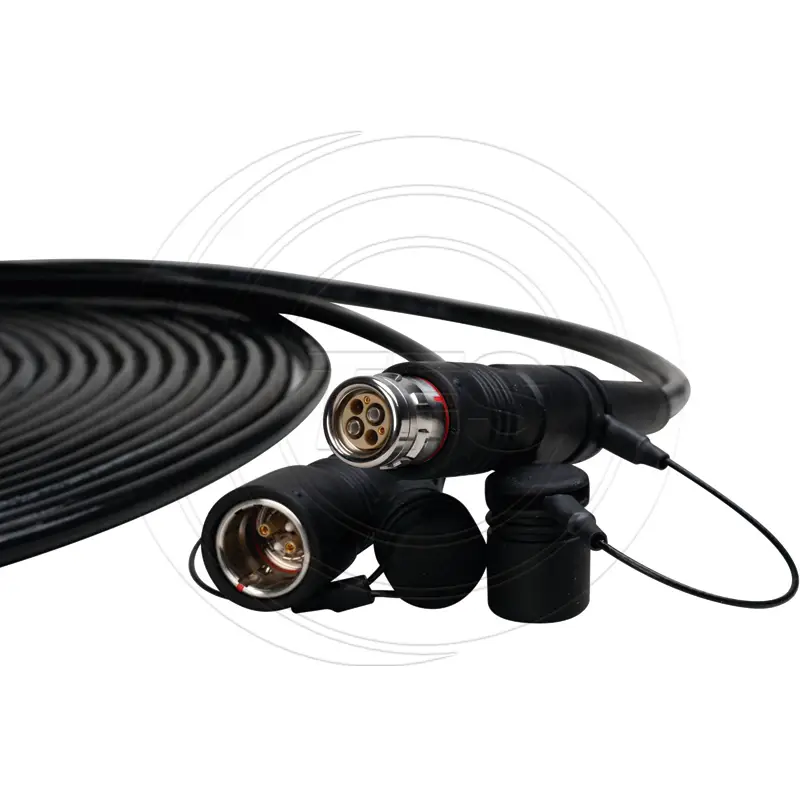
As technology advances, the role of optical fiber in military and defense communications is becoming increasingly important. Optical fiber’s high-speed data transmission, resistance to electromagnetic interference, and secure communication capabilities make it an indispensable tool for modern military operations. In this blog, we will examine the importance of optical fiber in military communications, its application in defense communications systems, how it enhances security, and future trends in fiber optic technology for military use. The importance of optical fiber in military communications In the dynamic landscape of military operations, reliable and secure communications are critical. The advent of fiber optic technology has revolutionized military communications, providing unprecedented advantages over traditional copper systems. The importance of optical fiber in military communications can be understood by its distinctive characteristics: high-speed data transmission, immunity to electromagnetic interference, secure communication capabilities, and its lightweight and rugged nature. First, the ability for high-speed data transmission is one of the most notable advantages of optical fiber. In military scenarios, the ability to transmit huge amounts of data quickly is vital. Optical fibers transmit data at the speed of light, enabling realtime communications and immediate information exchange. This is especially important in operations that require rapid decision-making and response. Whether it’s relaying orders from command centers to field units, sharing intelligence or coordinating multinational operations, the speed of optical fiber ensures that there are no delays, which can be critical in combat situations. Immunity to electromagnetic interference (EMI) is another significant advantage. Military environments are often saturated with electronic devices, each of which generates electromagnetic fields that can interfere with traditional copper cables. Such interference can lead to communication failures, delays and data loss, which is unacceptable in military operations. However, optical fibers are immune to electromagnetic interference, ensuring smooth and clear communications regardless of surrounding electronic activity. This immunity enhances the reliability of communications systems, which is essential for mission success. Security is paramount in military communications. The nature of optical fiber makes it inherently safe. Unlike copper cables, which can be tapped with relatively simple equipment, optical fibers are much more difficult to tamper with undetected. Any attempt to tap into a fiber optic line typically results in significant signal loss, alerting operators to potential security breaches. This characteristic makes optical fiber an ideal medium for transmitting sensitive and confidential information, ensuring that critical data remains private and protected from espionage and cyber threats. In addition, the physical properties of optical fibers increase their importance in military applications. They are lightweight and more durable than copper cables. The reduced weight makes optical fibers easier to transport and deploy, which is especially advantageous in remote and rugged areas where military operations are common. Their durability also means they are less susceptible to physical damage, reducing the likelihood of communication failures due to line breaks. In addition, the maintenance of fiber optic networks is less demanding compared to copper systems. Optical fibers do not corrode and have a longer lifespan, resulting in lower maintenance costs and fewer disruptions. This reliability ensures that military communications networks remain operational for long periods of time, even in harsh environments. Application of optical fiber in defense communications systems Fiber optic technology is being integrated into various aspects of defense communications systems, revolutionizing the way military operations are conducted. Here are some key applications: 1. Command and Control Centers: In command and control centers, fiber optic networks facilitate the rapid exchange of information between different units and units. This ensures that commanders have real-time data to make informed decisions. 2. Field Communications: Fiber optic cables are used in the field to connect remote units to central control. This is especially useful in rugged terrain where traditional communication methods may not be effective. 3- Unmanned Aerial Vehicles (UAVs): UAVs use high-speed data links to transmit surveillance and reconnaissance data back to base. Fiber optic technology provides fast and secure transmission of this data, improving situational awareness. 4. Secure data links: Optical fibers are used to create secure data links between military installations, protecting sensitive information from cyber threats. 5. Satellite Communications: Fiber optic technology is also used to enhance satellite communications, providing reliable and high-speed communications between satellites and ground stations. Fiber optic’s versatility and reliability make it an ideal choice for these and other military communications applications. Enhancing the security of military communications with fiber optic technology The security of military communications is of paramount importance, given the sensitive and classified nature of the information being transmitted. Fiber optic technology offers several built-in and advanced security features that greatly enhance the security of military communications systems. These features include unauthorized access detection, advanced encryption capabilities, intrusion detection, and physical security benefits. One of the key security features of fiber optic technology is tamper detection. Optical fibers can be equipped with tamper detection systems that alert operators to any attempts to tamper with the communication line. These systems work by monitoring the integrity of the optical signal and detecting any anomalies that may indicate unauthorized tampering. If an attempt is made to intercept or cut a fiber, signal loss or interference is immediately detected and an alert is sent to the monitoring station. This real-time detection enables rapid response to potential security breaches, ensuring the integrity of the communications system. Advanced encryption capabilities further enhance the security of data transmitted over optical fibers. Encryption converts data into a coded format that can only be decrypted by authorized parties with the correct decryption key. Optical fibers support high-speed data transmission, allowing complex encryption algorithms to be used without significant delay. This ensures that even if data is intercepted, it cannot be easily decrypted, ensuring the confidentiality and integrity of information. Intrusion Detection Systems (IDS) can be integrated with fiber optic networks to monitor for unauthorized access or anomalies. These systems use various techniques, such as pattern recognition and anomaly detection, to identify potential security threats. When an intrusion is detected, an IDS can automatically initiate protective measures such as isolating the compromised network